
Finding Quiet Heritage Stays Near the Coast
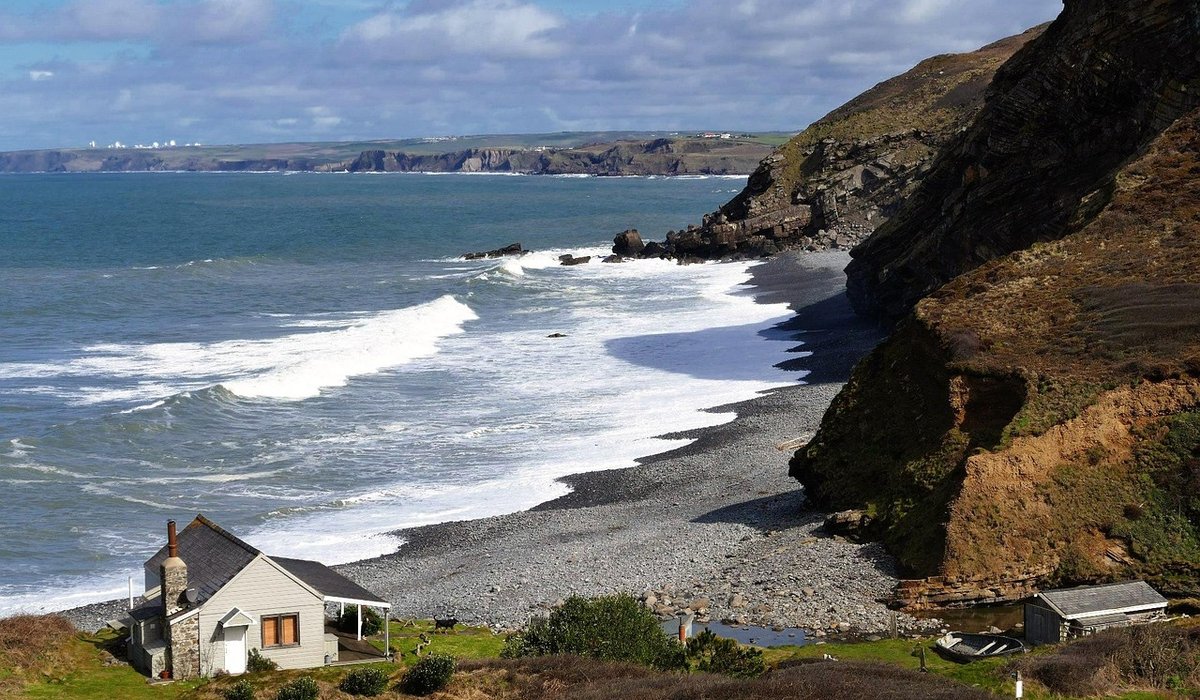
Why the Coast Rewards a Slower Stay
Britain’s coastline is not a single destination but a long, frayed edge of estuaries, shingle spits, granite cliffs and working harbours. The best way to enjoy it is rarely to race from one famous view to the next. Instead, choose a quiet heritage base — a converted lighthouse, a former coastguard cottage or a harbour inn — and let the weather, tides and local rhythm set the pace. You will notice more: the smell of tar and seaweed, the clang of a halyard, the way light moves across an estuary mouth. Staying put also gives you a reason to return to the same stretch of coast in different seasons, when the crowds thin and the landscape feels like your own.
Lighthouses: Sleep Where the Light Once Turned
Many of Britain’s smaller lighthouses and keeper’s cottages have been sensitively converted into self-catering accommodation. They range from sturdy towers with spiral stairs to low, whitewashed cottages in the shadow of the lantern. What they share is atmosphere: thick walls, deep window recesses, and a sense of exposure that makes a mug of tea taste better.
- Look for original features: cast-iron staircases, slate floors, shutters and fireplaces add character, but check whether they make the space practical for young children or anyone unsteady on their feet.
- Check the climb and the layout: some lighthouse stays involve steep steps, low ceilings or bedrooms on different levels. Ask about parking distance and whether luggage has to be carried over rough ground.
- Expect the weather to be part of the experience: sea fog, wind and rain can arrive quickly. Pack layers, waterproofs and a torch, even in summer.
Coastguard Cottages and Harbour Inns
Coastguard cottages were built in short terraces on clifftops and above coves, often with wide views and a path down to the shore. They make excellent bases for walkers, birdwatchers and anyone happy to trade a hotel lobby for a boot room. Harbour inns offer a different kind of heritage: low beams, local ales, and the chance to eat fish landed a few hundred yards away. In both cases, you are staying inside the working life of the coast rather than beside it.
When choosing, think about what you want within walking distance. A village pub, a small shop and a coastal path are worth more than a long list of attractions. In quieter places, the nearest cash machine or supermarket may be several miles away, so plan your first night’s food before you arrive.
Choosing the Right Base for the Season
Spring and early autumn are often the sweet spot: enough daylight for long walks, fewer people on the path, and softer prices. Summer brings warmth and livelier harbours, but also booked-out car parks and busier beaches. Winter can be magical — dramatic skies, empty sands, and cosy evenings — provided you check that the property has reliable heating and that local pubs and cafés are open.
- For wild drama: choose a clifftop cottage in the south-west or north-east, where the coast path is never far away.
- For gentler exploring: look at estuaries and sheltered harbours in East Anglia, the Solway Firth or the Welsh coast, where you can walk at any state of the tide.
- For island pace: consider a stay on a smaller island or a remote peninsula, but check ferry times and whether the shop opens out of season.
Practical Details That Make a Difference
Coastal heritage stays are rewarding but they are not always straightforward. Tides can cut off beaches and causeways; mobile signal can vanish; and narrow lanes can test your reversing skills. A little preparation makes all the difference.
- Tide tables: keep a printed copy or save an offline version. Do not rely on signal at the bottom of a cliff.
- Parking: check whether there is a designated space and whether access is tight. Some cottages are reached by footpath only.
- Local transport: a bus or ferry can turn a linear walk into a relaxed day out. Ask the owner for timetables before you book.
- Respect the place: keep to paths, take litter home, and remember that many harbours are still working environments.
Making the Most of a Quiet Heritage Stay
The real luxury of these places is time. Spend a morning watching the tide fill a creek. Walk to the next village for lunch and come back the long way. Talk to the people who live there year-round; they will tell you which beach is sheltered from a westerly wind, where to see seals at low tide, and which lane floods after rain. Leave the car parked for a day or two. Cook simple food, listen to the weather, and let the coast set the schedule. You will come home with salt in your hair and a new favourite stretch of shoreline — and likely a list of other lighthouses, cottages and harbour inns to try next.

4 Comments