
A Gentle Walk Around a Historic Harbour Village
Why This Walk Suits Almost Everyone
There is a particular pleasure in a walk that asks very little of you. No scrambling, no route-finding, no need to be home before dusk — just a couple of hours of quiet lanes, salt air and stone shaped by centuries of tide and trade. This gentle circuit around a historic harbour village offers exactly that, and it works as well for a family with a pushchair as it does for a pair of friends in their seventies or a solo walker with a camera and no particular schedule.
The route is about 2.5 miles (4 km) and takes roughly two hours at a strolling pace, including stops. Almost all of it is level, on a mix of tarmac lanes, cobbled quayside and firm gravel path. There is one short rise up to the headland and one flight of granite steps, and both have an easier alternative — more on that below.
The Route at a Glance
- Distance: 2.5 miles / 4 km, circular
- Time: 1.5 to 2.5 hours, depending on how often you stop
- Terrain: tarmac lanes, uneven cobbles, gravel path, one gentle climb
- Accessibility: mostly fine for sturdy pushchairs and confident wheelchair users; the steps to the lighthouse can be bypassed by a ramp
- Dogs: welcome on leads; keep them off the quay wall at high tide
- Facilities: toilets and cafés near the start, benches at three points on the route
Starting Out on the Old Quay
Begin where the village begins — at the harbour. Arrive early if you can, because the quay is at its best before the day-trippers, when the only sounds are halyards ticking against masts and the low rumble of a boat engine warming up.
Stand for a moment and look at the stone under your feet. Those worn granite setts and rounded cobbles were laid by hand, and the iron bollards and capstans along the edge are the working furniture of a port that once shipped pilchards, slate and lime. A few of the old buildings still announce what they did: the net loft with its wide doors, the ice house cut into the bank, the chandlery that now sells coffee and postcards.
Follow the quay wall seaward, keeping the water on your left. If the tide is out, look down into the harbour floor — you will often see the ribs of an old slipway and the dark lines of mooring chains furred with weed. Do not walk on the exposed mud; it is far softer than it looks.
Quiet Lanes and the Watch House
At the end of the quay, a narrow lane climbs very gently away from the water, hemmed in by whitewashed cottages and low slate roofs. This is the loveliest stretch of the walk. The walls are thick, the windows small, and the doorsteps worn into shallow hollows — a reminder that these houses were built for fishermen and their families, not for the view.
Roughly ten minutes along, you pass the old watch house, a squat stone building once used to keep an eye on the bay for smugglers and incoming weather. It is not open to the public, but the plaque outside explains its history, and the bench beside it catches the morning sun.
Continue past the churchyard, where the gravestones lean at angles that speak of settling ground and centuries of wind. Many carry the names of master mariners and their children. It is a peaceful place, so walk quietly and keep the gates closed behind you.
The Lighthouse and the Headland View
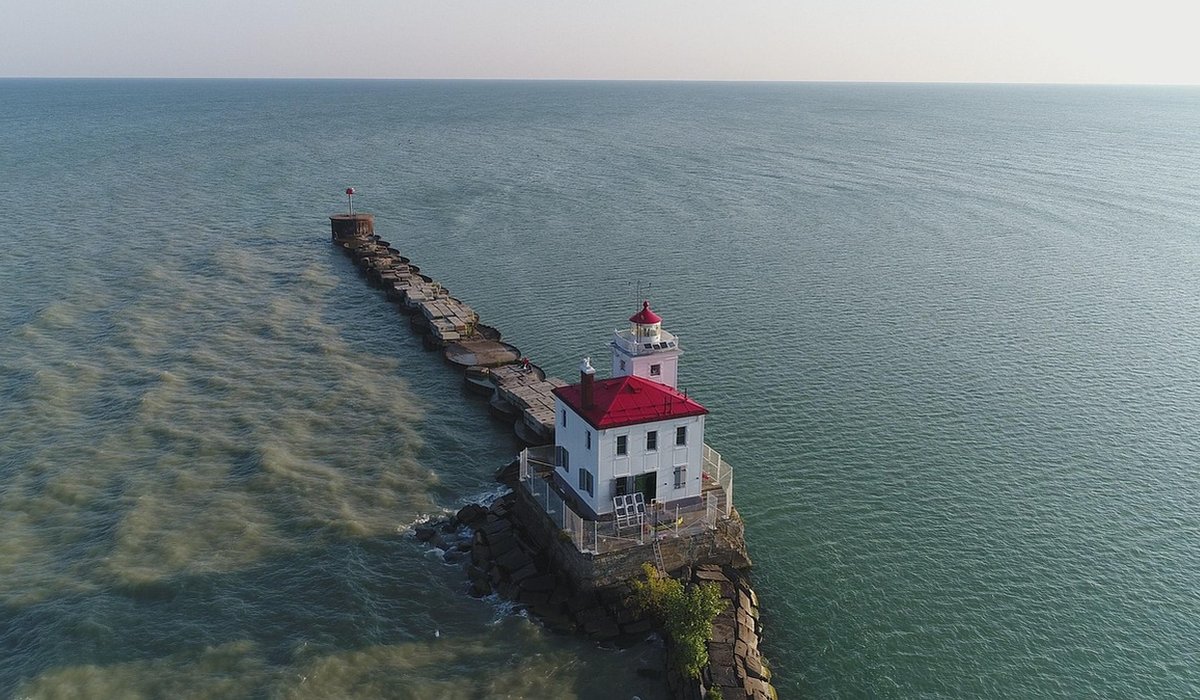
The lane narrows into a gravel path and opens onto the headland. From here the lighthouse is unmistakable: a short, sturdy tower, painted and repainted so many times that its walls feel padded, with a keeper's cottage tucked against its flank. The light has guided vessels past this stretch of coast for the better part of two centuries, and the small exhibition in the old storehouse is well worth twenty minutes of anyone's afternoon.
For the best view, take the path round the back of the tower rather than the steps at the front. The gradient is gentler, and it brings you out onto a grassy platform where the whole bay unfolds — the harbour mouth, the breakwater, and on a clear day the next headland along. This is the spot for a flask and a sandwich.
Return the same way, or, if legs are still fresh, follow the coast path markers for a slightly longer loop back into the village through the fields. It adds about half a mile and a couple of stiles.
Practical Notes for a Happy Outing
- Check the tide times before setting off. Part of the quay wall is impassable at high spring tides, and the inland alternative adds fifteen minutes.
- Wear shoes with grip. Cobbles polished by three hundred years of boots are slippery when damp.
- Take a layer. The headland is exposed, and sea breezes arrive without warning even on warm days.
- Carry a card and a little cash for the café by the harbour; several small places close mid-afternoon out of season.
- Bin your litter, apple cores included. The gulls and seals are less hardy than they look.
The real pleasure of this walk is that it demands so little and gives a great deal: history you can put your hand on, clean sea air, and a pace slow enough to notice things. Take your time, stop often, and let the harbour set the rhythm. That is what the place was built for.

4 Comments