
Packing for a Windswept Weekend by the Sea
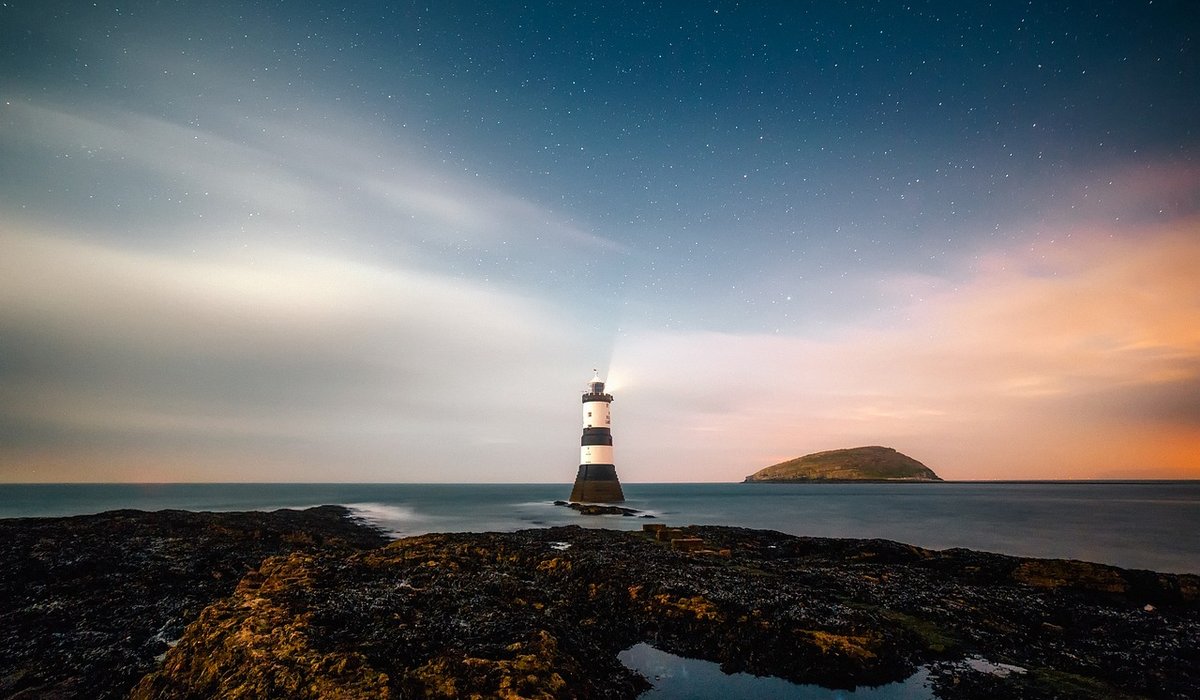
The coast writes its own forecast
A weekend on the British coast is rarely one weather system. You might leave a sheltered harbour in still air, reach a headland in a stiff breeze, and climb a lighthouse tower while rain moves in sideways. That changeability is part of the appeal, but it punishes casual packing. The trick is not to carry more, but to carry the right pieces: a flexible layering system, proper waterproofs, and footwear that can handle wet grass, loose shingle, and steep stone steps. Whether you are visiting a restored lighthouse keeper’s cottage, walking a heritage cliff path, or simply watching grey seals from a harbour wall, comfort comes from preparation. Pack for wind, rain, and a sudden burst of sun, often all before lunch.
Layering that works on an exposed headland
Cotton is the enemy of a windswept walk. Once it gets damp, it clings and cools. Start with a base layer that wicks moisture: merino wool or a synthetic fabric. Add a mid layer for warmth, such as a fleece or a lightweight insulated jacket. Finish with a windproof and waterproof outer shell. Adjust as you move from sheltered valley to breezy headland.
- Base layer: one or two long-sleeved tops, not cotton.
- Mid layer: a fleece or thin down jacket that packs small.
- Outer layer: a waterproof jacket with a hood that stays up in wind.
- Spares: an extra top in a dry bag, even for a day walk.
On a lighthouse visit, remember that the tower can be colder inside than out. Stone walls, metal stairs, and sea air hold a chill. A warm mid layer is not just for the cliff path; it is for the spiral staircase too.
Waterproofs that earn their keep
British coastal rain often arrives with wind, which means an umbrella is useless and a shower-resistant jacket is not enough. Look for taped seams, an adjustable hood, and a hem that can be cinched. Waterproof trousers are the unsung hero of a weekend by the sea. They keep you dry on a blustery cliff path, protect your legs from wet bracken, and let you sit on a damp bench to eat your sandwiches. Choose trousers that pack into their own pocket, so they live at the bottom of your rucksack without complaint.
Pack a small dry bag for your phone, camera, and spare socks. A dry bag weighs almost nothing and saves a soggy evening. In a lighthouse cottage, hanging space is limited, so choose waterproofs that dry quickly.
Footwear for cliff paths and lighthouse stairs
Sturdy footwear is the difference between a memorable walk and a miserable one. Coastal paths mix mud, slick rock, loose stones, and steep wooden steps. Lighthouse towers add narrow spiral stairs, often worn smooth and sometimes damp. Trainers may cope with a promenade, but they rarely offer enough grip or ankle support on a proper headland.
- Walking boots: broken in, with a deep tread and ankle support.
- Wellies: useful for harbour walls and muddy lanes, but poor on rocky cliffs.
- Socks: wool or synthetic blends, plus a spare pair in your bag.
- Gaiters: optional, but excellent for wet grass and brambles.
Test boots on a short local walk with a loaded rucksack. Pack blister plasters and a small roll of tape. If you plan to climb a lighthouse, remember that some stairs are steep and narrow; secure footing matters more than fashion.
Small kit, big difference
It is the little things that make a short break comfortable. A warm hat and gloves can turn a blustery lighthouse tour from endurance into pleasure. A buff or scarf protects your neck from wind and spray. Sunglasses and sunscreen are not just for summer; UV reflects off water and wet sand, and windburn is real.
- Flask: hot tea or coffee for a bench with a view.
- Snacks: high-energy food, as coastal cafés may be closed out of season.
- Head torch: handy for dark lighthouse stairs, power cuts, or late returns.
- Binoculars: for seabirds, ships, and distant lighthouses.
- Reusable water bottle: refill before you leave the harbour.
- Basic first aid: plasters, painkillers, and any personal medication.
A lightweight rucksack with a waterproof cover keeps your hands free for railings and cameras. Pack it the night before.
Packing for lighthouse stays and heritage harbours
If your weekend includes a lighthouse cottage or a heritage harbour, think beyond the walk. Old buildings can be damp and cool, even in summer. Bring a warm jumper for evenings, slippers or thick socks for stone floors, and a small travel towel if you are staying somewhere basic. Check whether bedding and towels are provided, and whether shops are nearby.
Respect the heritage you have come to see. Stay on marked paths, keep dogs under control near cliff edges, and follow local guidance around lighthouse buildings and working harbours. Pack out everything you bring in. A reusable coffee cup and a cloth bag make it easy to leave no trace.
Finally, leave a little space in your bag. You may want to bring home a jar of local honey, a second-hand book about maritime history, or simply a pocket full of sea glass. Layers, waterproofs, and sturdy footwear will carry you through whatever the sea decides to send.

4 Comments