
Identifying Common Seabirds Along the British Coast
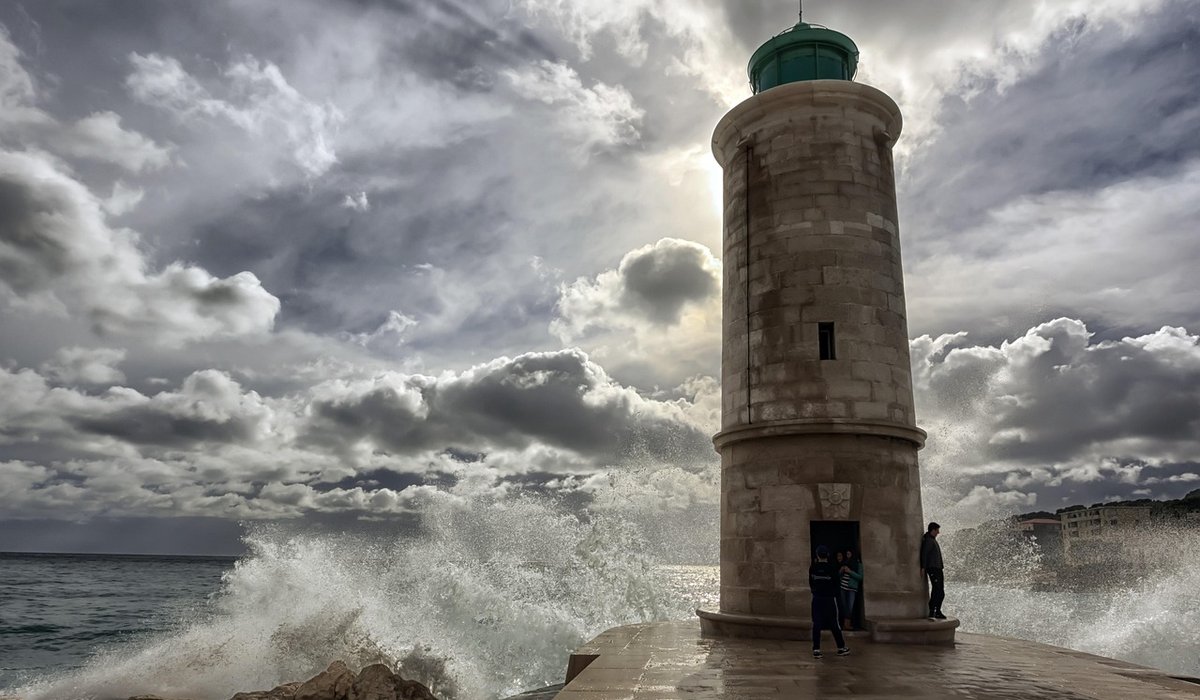
Why Seabirds and Lighthouses Belong Together
Britain’s coastline is a theatre of wind, rock and water, and its lighthouses were built precisely where seabirds thrive. Headlands, stacks and offshore reefs that once warned sailors away now offer some of the finest wildlife watching in Europe. Whether you are walking a clifftop path in Pembrokeshire or waiting for the lantern to glow on a Hebridean headland, knowing a handful of species will transform a good walk into a memorable one. The key is to look at shape, flight style, bill and behaviour before you worry about colour. Seabirds are often seen at distance, in poor light, or against a glaring sea.
The Auks: Guillemots, Razorbills and Puffins
Auks are the penguins of the north, though they can still fly. On crowded cliff ledges, guillemots stand upright like tiny bottles. They are chocolate-brown above and white below, with a slim, pointed bill. A small number show a white ring around the eye and a thin white line across the face, known as the “bridled” form. Razorbills are stockier, with a thicker, blunt bill crossed by a white line, and a longer, wedge-shaped tail. They nest in crevices and under boulders rather than on open ledges.
Puffins are unmistakable in spring and summer: a rainbow bill, orange legs and a pigeon-like stance. They nest in burrows on grassy slopes, often on islands free of rats. In flight, all three auks whirr low over the water on stiff, rapid wings. Listen for the guillemot’s purring growl and the razorbill’s hoarse croak. From a clifftop lighthouse path, scan the sea below for rafts of birds resting between feeding dives.
The Ocean Wanderers: Gannets, Fulmars and Shearwaters
Gannets are Britain’s largest seabird, with a wingspan of nearly two metres. Adults are brilliant white with black wingtips, a creamy-yellow head and a dagger-like bill. Watch for their spectacular plunge-dives: a steep stall, wings swept back, then a vertical fall into the sea. They often feed in noisy flocks over shoals of mackerel or sandeels.
Fulmars look like stout, grey-white gulls but fly on stiff, straight wings, banking stiffly without flapping. Their tube-shaped nostrils and thick neck give them a distinctive profile. They will sometimes approach cliff-top visitors closely, spitting a foul-smelling oil if disturbed, so give them space. Shearwaters, especially Manx shearwaters, are darker above and white below, with stiff wings that seem to shear the water’s surface as they arc between waves. They are most often seen offshore in autumn, especially after strong onshore winds.
Gulls, Terns and the Art of Careful Looking
Gulls are not just “seagulls”. Herring gulls have pink legs and a red spot on the bill. Lesser black-backed gulls have yellow legs and dark grey wings. Great black-backed gulls are larger, with black wings and a heavy, powerful bill. On harbour walls near lighthouses, watch how they drop mussels onto rocks to crack them open.
Terns are the elegant acrobats of summer. Arctic and common terns are slender, with pointed wings, forked tails and a buoyant, hovering flight before they dive for fish. Sandwich terns are larger, with a black bill tipped with yellow. From a lighthouse balcony, you may see them commuting between feeding grounds and nesting colonies. Cormorants and shags often perch on rocks with wings held out to dry. Cormorants are bigger, with a white thigh patch in breeding plumage and a straighter neck in flight; shags are smaller, with a crest in spring and a more hunched, snaky flight profile.
Seasonal Shifts: What to See When
The seabird year has its own rhythm, and lighthouse travel rewards those who notice it.
- Spring: Puffins, guillemots and razorbills return to cliffs. Gannets begin nesting on offshore stacks. Listen for the first fulmar cackles.
- Summer: Feeding rafts build up below colonies. Young auks fledge by jumping from ledges, often at dusk, escorted by males to sea.
- Autumn: Shearwaters, skuas and storm-petrels pass close to headlands during gales. Gannets linger, and terns head south.
- Winter: Divers, grebes, purple sandpipers and turnstones feed along rocky shores. Gulls gather in harbours, and some auks remain offshore in small numbers.
Weather matters. A strong onshore wind after a gale can push oceanic species within binocular range of a lighthouse. The two hours either side of high tide often bring birds closer to land as they follow fish and shelter from currents.
Fieldcraft at the Lighthouse: Practical and Ethical Watching
Good watching is quiet watching. Carry 8x42 binoculars and a small notebook. Record the date, weather, tide and behaviour, not just the species. Use the lighthouse as a vantage point, but stay behind fences and never approach nesting ledges. Seabirds are protected by law, and disturbance can cause adults to desert eggs or chicks. Keep drones away from colonies, keep dogs on leads, and take all litter home.
Learn the three-second rule: if a bird changes behaviour because of you, you are too close. Retreat slowly, and watch from a distance. Coastal heritage and wildlife go hand in hand: the same headlands that guided ships now guide migration, and the same rough seas that shaped lighthouse engineering shaped the birds that ride them. With a little practice, every walk becomes a conversation between rock, water and wing.

4 Comments